Category: Tea Learning

  • Zipin Blind!

    Zipin Blind!

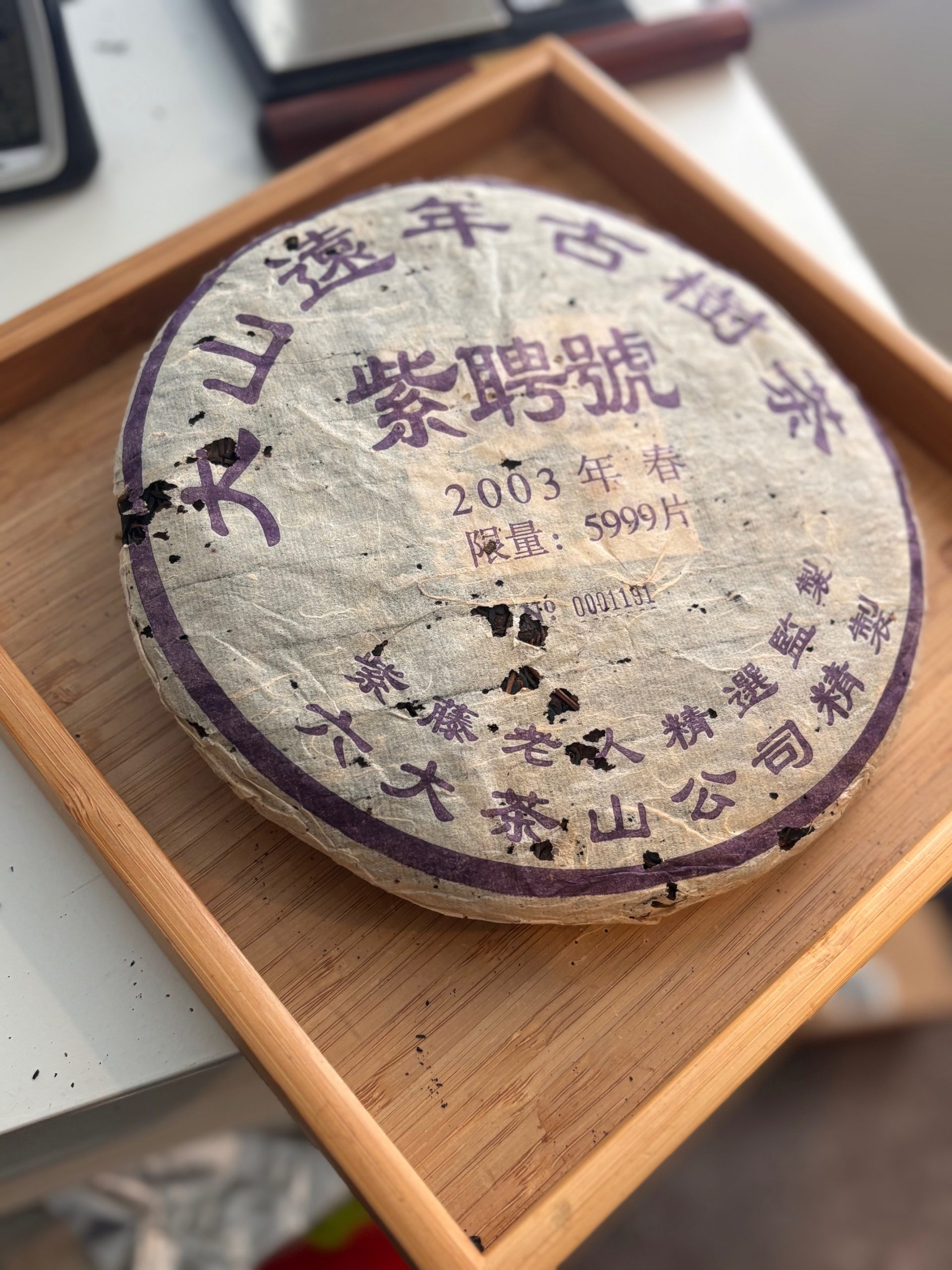
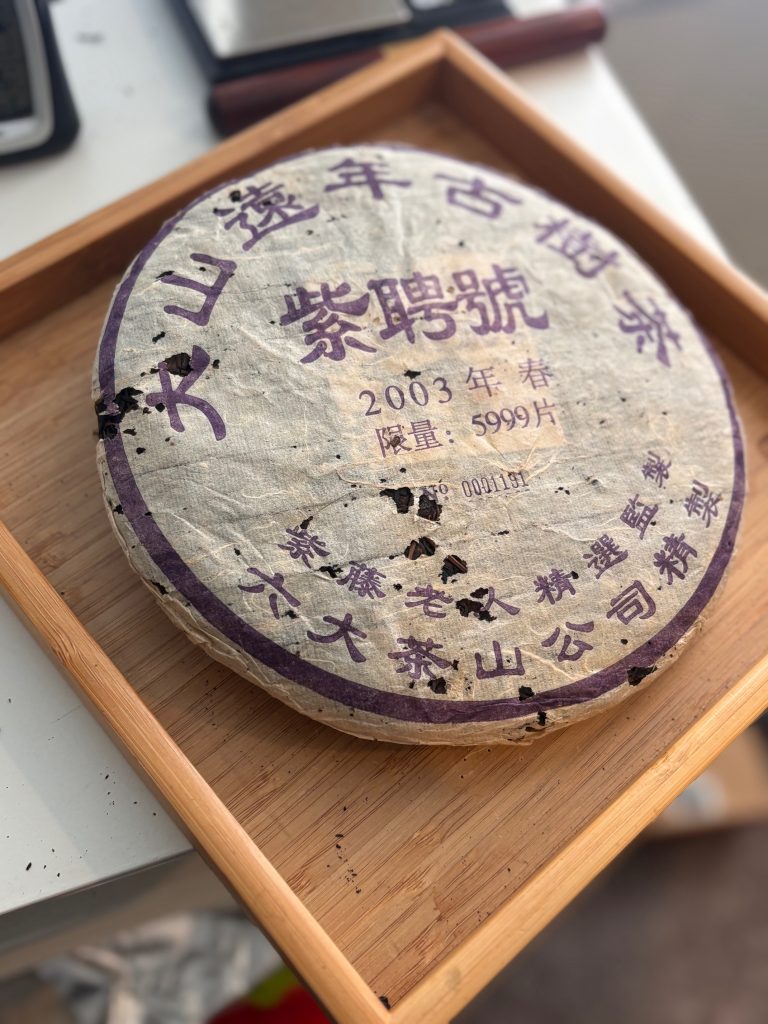
    Thanks to Listening to Leaves I recently got to try a few versions of the famous Wistaria Zipin cake. The Zipin is a 2003 Yiwu pressed by Wistaria via the Six Famous Tea Mountains company. In the west it is probably the most famous Wistaria pressing. I think because I contributed a portion of my 2005 cake I was sent a set of these. Regardless, it’s a pretty interesting set of teas and storage. One of the best things about Listening to Leaves is the effort to create educational experiences through tasting sets. It creates common teas that share storage that can be discussed. It’s not possible to account for all the variables that go into making a cup of tea what it is (i.e. water, body) but it accounts for a lot of them. It’s also an interesting exercise to separate the storage from the material. In Wistaria’s case the tea all comes from their storage just at different points of time, a storage that is noted for a particular perfumey note. Because these have been stored differently they are an important datapoint in understanding both storage and the material.

    The seven versions:

    • Tuo
    • Loose
    • 2005 Zipin (my storage for 2-3 years)
    • Malaysia
    • Singapore
    • US (Seo’s)
    • Direct from Paris

    This comparison had obvious goals. Main aspects being examined:

    • Storage
    • Compression

    Because the samples were 6 grams and a primary purpose was examining the storage, I brewed them in a slightly atypical manner at 3 grams with longer steeps. I also did not break them up fully before blinding so it made the tuo and loose fairly obvious. I did not reveal these until I finished the whole exercise.

    The Teas

    Tea #1: 

    Thick, wood, pine. Mouthcool. Great aftertaste but otherwise does not have the Wistaria perfumed aroma. The tea is not as far along as my recent experiences with the Zipin. I actually don’t mind the storage that much here, despite my general preference for darker more further along teas. It’s clean, unobtrusive and lets the tea do the talking. I do think the time in Wistaria first probably did a lot of heavy lifting, by getting this to a more aged place.

    Guess: US.
    Answer: US.

    Tea #2: 

    Spiced, leather, deep, darker, wood, richer. Easily the furthest along. I think there’s some hints of the Wistaria storage taste but it is covered up. My favorite of the batch. This very clearly resembles Malaysian storage I’ve had. Given Singapore is a very similar location that is also possible.

    Guess: Malaysia.
    Answer: Malaysia.

    Tea #3:

    Brighter, almost some dry flowers potpourri, but still some wood, plum, a bit medicinal base. Like tea #1 does not resemble Wistaria, so I’m guessing this was bought earlier. This tea gradually picks up greener notes as it brews out more than the others. It may’ve been bought the earliest? By process of elimination I am placing this as Singapore. The tea is further along than #1, but not nearly as far along as #2. I’d guess that the environment this is stored is somewhat cooler than tea #2.

    Guess: Singapore.
    Answer: Singapore.

    Tea #4:

    Picking at this it was clearly the tuo. This is nice. Plum, wood, juicy. Definitely still has some Wistaria house perfume taste on it still. Nice and rich. If not for the compression I think this is close enough to be mistaken for the cake.

    Guess: Tuo.
    Answer: Tuo.

    Tea #5:

    Finally a minor dud. This feels shallower and lacks the richness of the others. The taste is similar but it lacks the vibrancy of the previous four teas. The aftertaste is there and as it brews out you can tell it is the same tea. It has some of the Wistaria house perfume note. My guess was the 2005, because it is a weaker version in my experience.

    Guess: 2005 Wistaria.
    Answer: Direct.

    Tea #6:

    I did tea #6 and #7 on a different day than the first five. This is pretty straight down the middle. Rich, concentrated, sugarcane. Good aftertaste. Definitely a fair bit of Wistaria house taste.

    Guess: Direct.
    Answer: 2005 Wistaria.

    Tea #7:

    Clearly the loose. The most divergent. The structure of the tea just completely unravels and makes something close to unrecognizable. It lacks the body and density that all the other teas had. Kind of a vague sweetness that doesn’t have the deeper woody notes that the others have. The aftertaste still bears some resemblance but this behaves like a very different tea than the rest.

    Guess: Loose.
    Answer: Loose.

    Rankings of the 2003

    MY >> SG > US >>> Paris

    Given my preferences it is unsurprising that I rank Malaysia the highest. It hits a lot of my own preferences and produces the richest, deepest, most satisfying brew. Malaysia vs. Singapore is also interesting. I suspect this is simply the case of how they were stored, with the Malaysian storage presumably being a bit hotter. Over a significant period of time a 5F difference could have a rather large impact on the final product. It is also promising that both SG and US stored teas lost that Wistaria note. I presume they all had at least a decade in Wistaria’s own storage, so losing it is notable especially in the case of the US stored tea. The US stored tea from Seo’s storage was better than I anticipated. While it hadn’t aged to the extent of the Malaysian tea it’s at a place where I would not mind drinking it at all and the tea’s natural quality shines bright.

    Wistaria Paris Zipin & The Importance of Conditioning

    And finally the case of Paris. I had forgotten that direct was from Paris and not Taipei when I did this. The tea felt dried out and ironically I thought it might’ve been my contribution. I suspect that this is a tea that’s been in Paris for a couple years and has slowly gotten worse over time. The tea was consumed the same day as the SG, MY, US, and Tuo, and stood out as easily being the worst. Wistaria is probably just storing the tea naturally, but unfortunately Paris is not the same as Taipei. My mistake was assuming that this was the 2005, which I figured was the shallower, blander tea.

    If I were Wistaria I’d consider tweaking their storage in Paris, it seems to be impacting their tea there. It also brings up the topic of aging vs. conditioning since this tea has been in Wistaria’s storage for much longer. My mind also went to Marco’s experience with a dank Xizi Hao cake, which had been stored too humid and then dried out. It works against intuition, but sometimes these pondy, dank notes can be reversed by conditioning the cake upwards rather than exclusively drying it out. For this Zipin I think this is a perfectly salvageable situation, but the tea needs to be introduced to a more closed off humid environment for at least some period of time. I did not bother conditioning these teas, but that might’ve helped as well.

    Loose vs. Compressed

    The most dramatic difference in teas was the loose versus everything else. The mouthfeel and aftertaste are the most consistent aspects in the set and while they were present in the loose the rest of the structure of the tea, body, taste, etc completely falls apart. It’s not bad, but it lacks any density and is remarkably mundane considering how tasty the normal production can be. Compressed vs. loose clearly matters.

    The tuo on the other hand seems healthy and resembles the cake close enough. I think the more compressed form would probably have some difference, but it’s not nearly as obvious as loose versus the cake. The level of compression has some bearing on the aging trajectory of the tea but I don’t think this comparison gives enough data to draw any conclusions.

    Thanks to Seo for sending the set. These shared tastings are interesting and an effective way to learn about tea experientially. I’ll be curious to hear from anyone else who participated if you agree or disagree.

  • How To Stretch Your Dollar & Punch Above Weight

    How To Stretch Your Dollar & Punch Above Weight

    I frequently get asked about entry points into pu’erh. Usually I’ll refer them to things I’ve written in the past like the different types of pu’erh to try out. Pu’erh is big enough that you don’t have to go too deep to find it (search for it on Amazon), but most generalists teashops/options that sell it in the west carry very mediocre examples. Starting out at the right point helps to make your journey more efficient and minimize tea tuition. This post is about how to stretch your resources to maximize experience and learning, under the constraints of the almighty dollar.

    Getting Connected: Join A Discord

    Since getting plugged back into the tea scene in 2024 I’ve started to see how the scene has evolved. The dynamics are definitely not like they were in 2012/2013 when I spent countless hours reading Marshaln and Half Dipper while hunting through old TeaChat threads. At that time this is where the majority of tea-related dialogue was. In 2025, TeaChat is a shadow of its former self and the chatter has moved elsewhere, Facebook, Reddit, Instagram, but most notably Discord. There are two major English speaking Discords Communitea and The Tea Table, both of which see a decent amount of activity. Even moreso than something like Reddit, the nature of Discord chat allows you to quickly find vendors of the moment and get recommendations on specific teas. I met with a newish tea drinker recently and was surprised at the breadth of tea and vendors he had tried despite starting serious gong fu drinking fairly recently. He’d sampled serious vendors across most of the tea types and had heard of just about everyone. Obviously he was not an expert in every single category but it seemed like he’d gotten a reasonable introduction and dipped his toes in remarkably quickly.

    A downside to Discord is most of the information is more hidden than it was in the TeaChat glory years. Old forums have the benefit of being searchable and more easily scrollable. There were often pinned posts where you could see what people were drinking on the regular and get their impressions. This sort of thing is not really present in the same way on Discord. In theory you can get that information, but it’s a lot messier and more difficult to access.

    My advice? Join one or both of the Discords. The two servers have different participants and vibes. You don’t need to check often or everyday, but both are receptive to newcomers and there’s a lot of information that gets exchanged. This isn’t to say its a perfectly ideal environment that replaces having tea in person. But in my opinion for people out west this is better than the alternative, learning solo and reading something like Reddit. There’s also the major benefit of being able to trade and access the secondary market…

    Discord

    Trend: Sorry, No Samples

    Another change in the vendor landscape is the lower amount of samples being offered. In 2013, most vendors offered a smaller 10-25gram size even for cheaper cakes. This is no longer the case in 2025. I would not have predicted this trend, but it makes a lot of sense for hobbyist organizations like TeasWeLike or Quiche to reduce the overall burden and time commitment. Anyone that has sent out a tea package knows that breaking up cakes is a pain. It takes time and often a fair bit of cleanup afterwards.

    Advice: Pay the sample tax. If samples or smaller quantities are offered for a tea you are interested in, even if there is a higher $/g charge. You do not need to maximize value everywhere. Don’t hesitate and buy.

    Get Tea Currency & Utilize the Secondary Market By Swapping and Selling

    If you were stuck on an island and could only interact with the tea world by ordering tea online, it’d be easy to end up with a random assortment of pu’erh. You’d be limited by your budget. And you’d also be limited by what you can or cannot sample. You may decide to buy one $400 cake, since its not as easy or possible to sample 8 or 9 different $400 cakes that interest you. It’s good to get reps but a cake is big and I’d prefer to get experience from a wider amount of sources.

    The good news is that connecting with people over Discord can help here as well. Discord does not have to be buying temptation after buying temptation. It can also limit the financial burden, so you don’t need to buy 10 whole $400 cakes to try them all. The two major Discords both have marketplace channels, places you can buy, sell or exchange teas with other users. It’s a nice place to get good value since you are often buying cakes that have been broken into already. It can also be a good place to sell unwanted tea and help to trim down your stash.

    Discord is also great for finding fellow members to swap with. One Discord user (shoutout KnockFan) has shared his experience getting started with tea, where he bought one well-liked but pricy cake, the 2003 Wistaria Qingteng. He then used that as currency to exchange to trade for a variety of other teas he was interested in.

    This might seem like a pain since it involves coordination and going to the post office.. But if you are operating under some financial constraints and have a tea that people like and can’t sample easily, this can be a worthwhile tradeoff. It’s a particularly great way to cash in some chips to get experience with other teas of interest without over accumulating too much or spending more.

    New Tea Setup

  • Taking Your Tea Drinking To The Next Level

    Like many western tea hobbyists I have a strong openness to culinary experience, translating into trying new (to me) foods. At one point in my early 20s I was introduced to a place called Sichuan Cuisine in Seattle. They have a couple locations in the area and I really liked it. It was something new and different from the Cantonese cuisine I had grown up with. It had distinct dishes, like twice cooked pork, boiled fish, and Dandan noodles. I was introduced to the “mala” spice of both spicy and numbing. I brought my parents and then-girlfriend to it, who all liked it as well… After that, I tried Sichuanese food at a variety of other places, most of which were similar to my introduction. Fast-forward several years and a new well known Sichuan place was opening up in Seattle that had roots in the San Gabriel Valley (one of the best locations for non-Cantonese Chinese food in North America) called Chengdu Taste. When I looked at Chengdu Taste’s menu it looked somewhat similar to Sichuan Cuisine. They had a few different things but many of the dishes were the same (Kung Pao Chicken, Boiled Fish, Twiced Cooked Pork, etc.). However, once I visited Chengdu Taste the differences between the two restaurants was obvious. It forced me to realize that Sichuan Cuisine was a tapered down version of what the more pungent Chengdu offered. The spice levels at Chengdu Taste were not only much higher, it was way more numbing and it was less sweet and salty. For some dishes it mattered more than others.. In a dish like boiled fish, rather than a scant eighth teaspoon of Sichuan peppercorns, the fragrance of the peppercorns wafted up and the numbing was many many times more intense than versions I had previously.

    I had gotten hints of what the more intense version was simply by reading and making them, but it really took trying Chengdu Taste to understand what the flavor profile could be. You can learn by reading, but experiencing something is better. I like to make some of these sorts of dishes, and tasting Chengdu Taste once, immediately improved my own versions of these dishes.

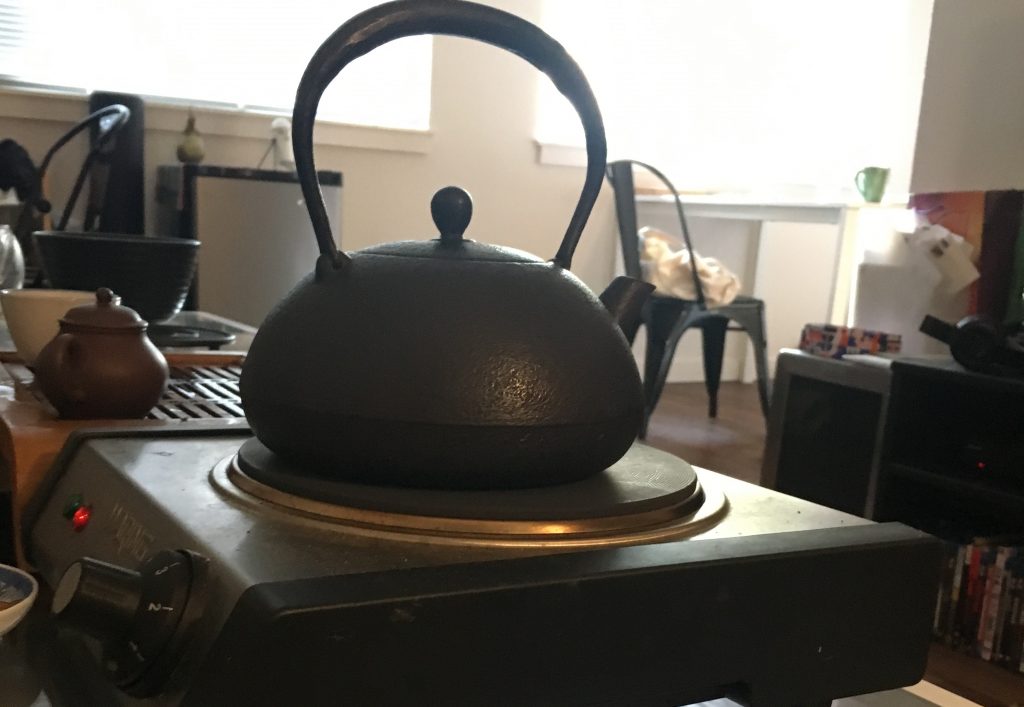
    Tetsubin

    Learning With Wuyi & Aged Oolongs

    Sometimes learning and leveling up with tea more closely resembles a linear pattern… Grinding, drinking lots of different samples, taking notes, and getting repetitions. Doing this, you’ll slowly improve naturally. Other times it doesn’t and it takes getting introduced to something superior and/or different at the right time. In the case of my own appreciation of Sichuan food, this was an immediate realization and a quick level up. Just a few bites in I realized I was in for something very different from the many experiences I’d had with other Sichuanese food before. I’ve had similar realizations in aged oolong as well as Wuyi. In the case of both of those tea types it was through Origin Tea (see: The Box), who had a short but glorious existence.

    With Wuyi tea I had mostly drank alright stuff from places like Yunnan Sourcing until I tried Tony’s $/g Shuixian which opened my eyes to what a Yancha could be. The tea was very good, but it’s also not something that can be communicated easily through tasting notes. The base notes were similar to an average Shuixian but the tea was richer, thicker, more textured, and better than anything I’d had before it. This hasn’t necessarily reduced my enjoyment of other Yancha, since the good stuff remains expensive and very hard to get. I’m perfectly happy drinking decent enough teas from WuyiOrigin. And even if you don’t drink the good stuff every day having experience with it helps to contextualize, get a strong reference point and form a fuller picture of the possibilities of tea. 

    At what point you try the tea is important. In the past, I’ve served what I think is pretty nice pu’erh to newcomers and I can tell that they fail to impress in a way that something cheaper and more flavor forward might have (various oolongs are usually best). It is not just about providing the tea, but about the person drinking tea. What sorts of teas have they had? Have they had pu’erh before? If the $/g Shuixian from Origin was my first Wuyi tea ever, I definitely would’ve liked it. But it also probably wouldn’t have been as meaningful as it ended up being. The grind of lesser Wuyi teas was helpful in allowing me to distinguish what made Origin’s Shuixian a cut above.

    Yinji Teas
    Raise your levels with these teas! OK. Maybe not that high.

    Tea w/Other People & Pushing Other’s Baseline Up

    Drinking and learning from those with more experience is a great way to learn. In the west many of us are very isolated and while we can certainly improve and appreciate tea on our own, learning as a tea hermit is different from learning in a more social environment. Yes reading Marshaln’s blog front to back is a great way to learn and online is better than nothing, but there is quite a bit missing when you are doing tea strictly online. There is not necessarily a surefire way to “level up” in tea easily, but you improve your chances by aiming for good tea & interacting with others, ideally those who know more.

    If you want to introduce someone to more serious tea or push a newer drinker, be thoughtful about their experience with tea and try to go a level or two up. If someone is not a tea drinker or has never had mediocre quality loose leaf tea, it usually doesn’t take too much to push their palate and find something different or interesting to them. If someone drinks more ordinary oolong everyday, try introducing a really nice Yancha or aged oolong. If someone is just getting into pu’erh with younger tea, serve something nicer that you don’t think they may have had like an older tea. I suspect most who are reading this blog have access to far better tea than 99% of the western world. This makes you qualified to help a lot of people reach higher tea levels.

    The very low baseline tea level for US tea drinkers (probably western?) is likely a reason why so many inferior vendors exist. Even these vendors can impress people with slightly less crap loose leaf tea if a person’s only tea experiences are old tea bags.. These unimpressive vendors are technically raising people’s level, but we can and should aim higher.

    Lastly, some people will also taste or get introduced to a certain profile that is considered better and not see the hype or not care for it. Other members of my family still love Sichuan Cuisine, despite a couple introductions to the (IMO) significantly better Chengdu Taste. This is fine.. After all, everyone has their own preferences and even if someone recognizes something as better it doesn’t always equate to enjoying something more.


  • Denny’s DIY Pumidor w/ Live Data Feed

    Denny’s DIY Pumidor w/ Live Data Feed

    [This is a living document]

    Jump to Pumidor V3

    Tea Den Aging Project Goals:

    • Accurate representation of variables influencing tea aging
    • Accurate visual representation of tea aging over time
    • Subjective perspective of tea aging over time

    Creating a “Smart” Pumidor

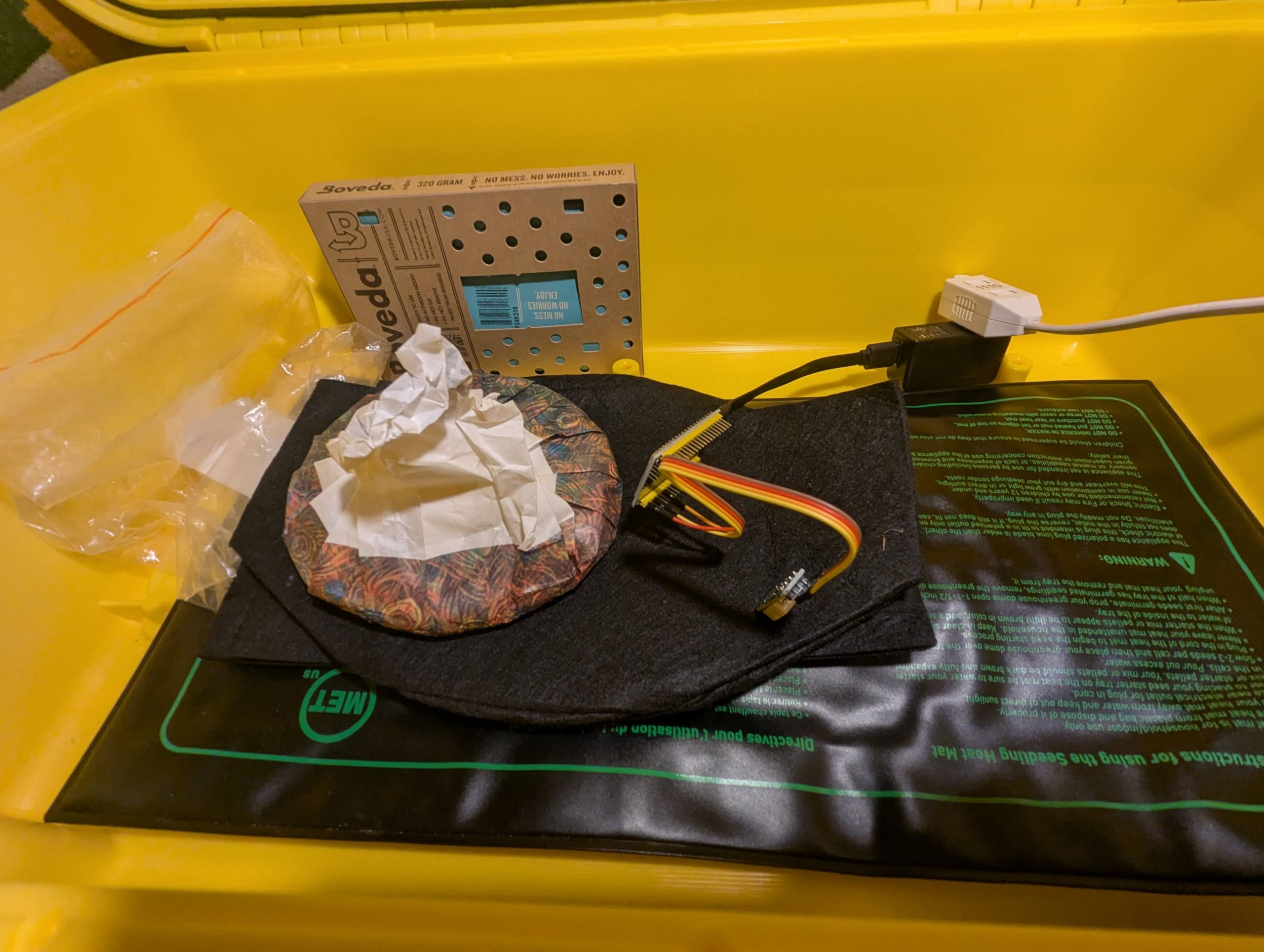
    Materials & Tools:

      • HomeAssistant
      • Wifi Smart Socket
      • Zigbee Humidity & Temperature Sensor
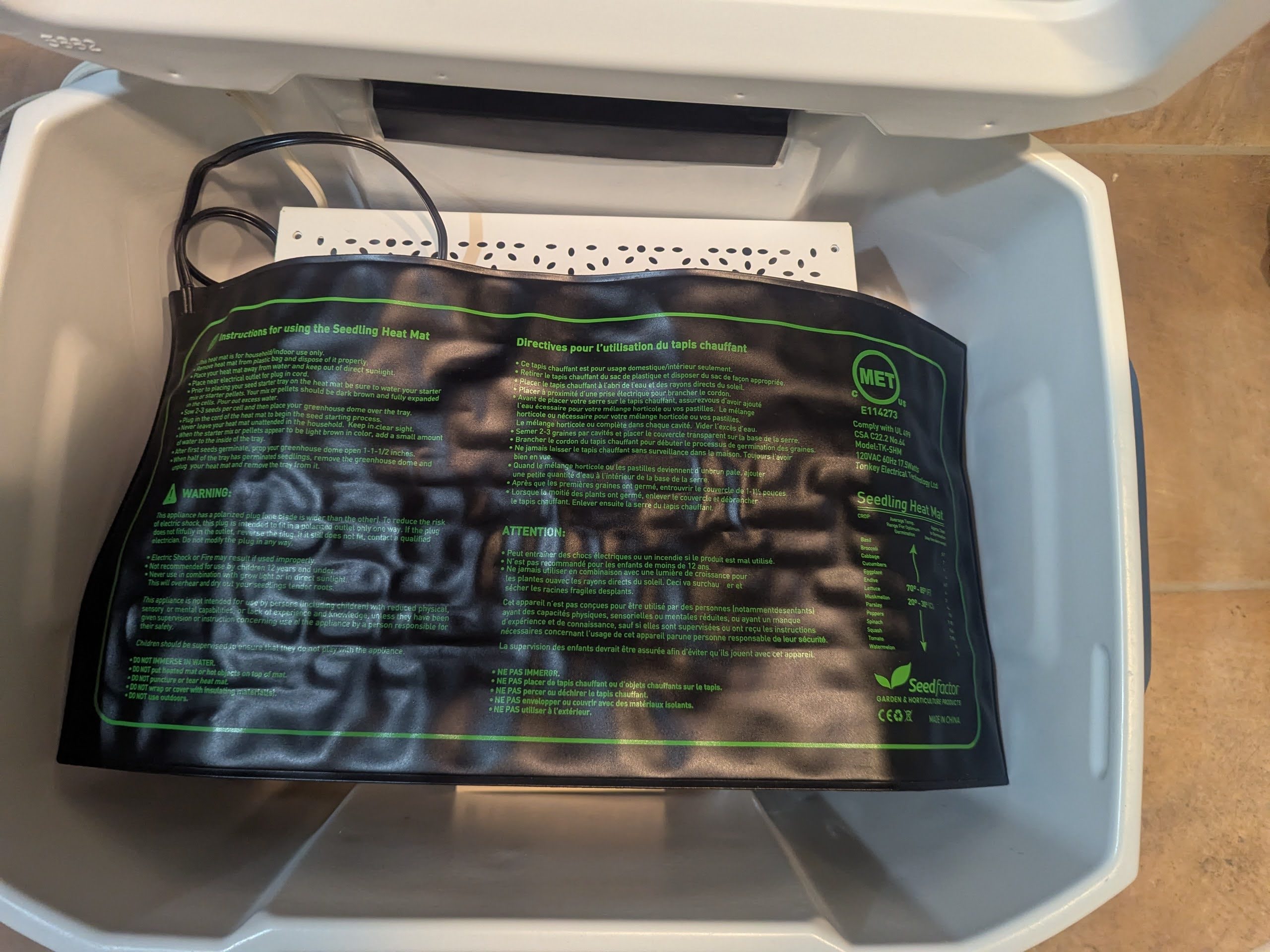
      • Seedling Heating Mat
      • Boveda 65% Two-Way Humidity Control Pack, Size 320
      • Insulation
      • NodeMCU ESP32 SBC
      • SHTC3 Temperature and Humidity Sensor

    Version 1: Zigbee sensors

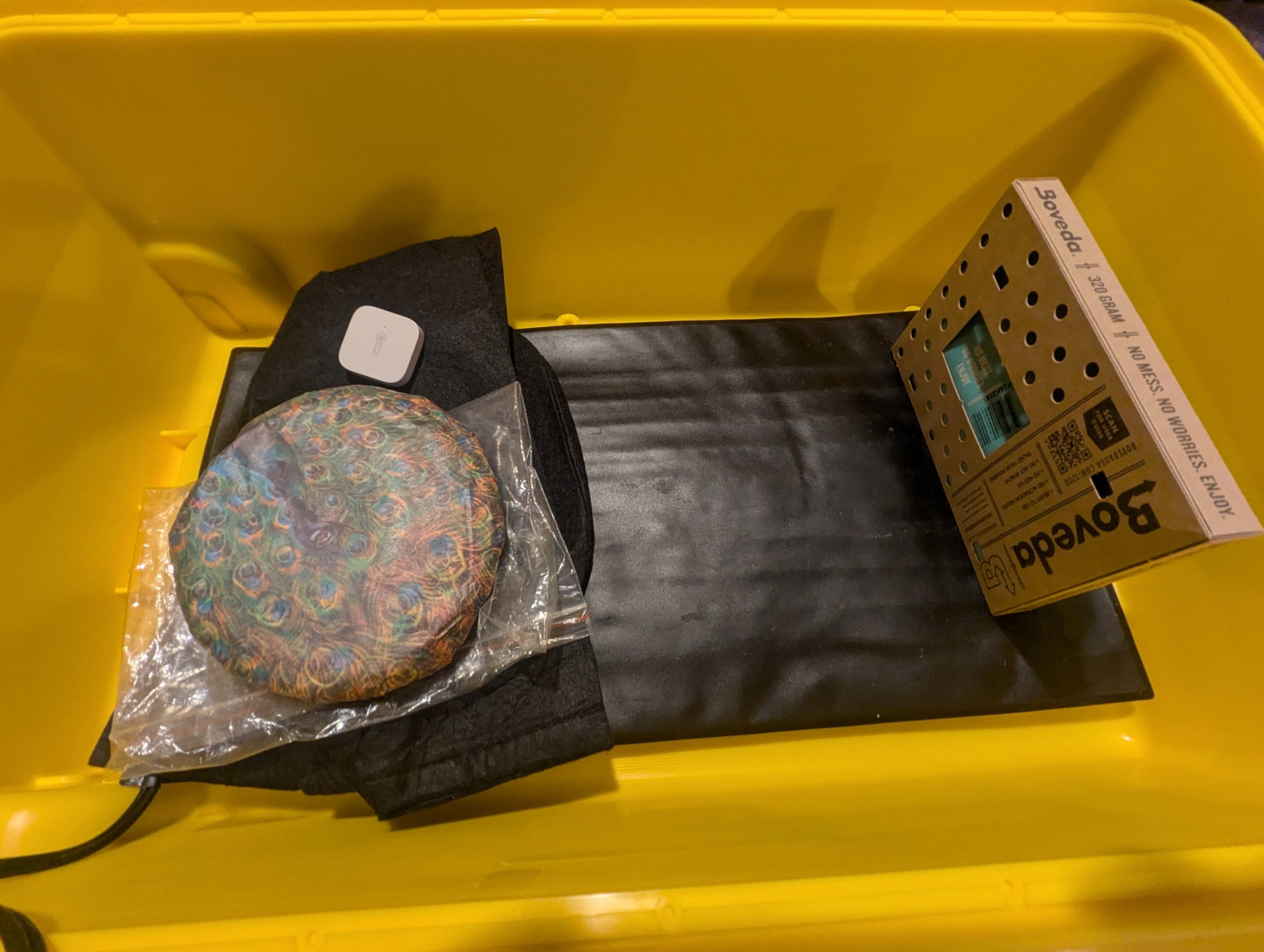
    I used a Zigbee-protocol humidity and temperature sensor to start (the square device in there).  While zigbee is great for household lights, zigbee devices work best in a tight mesh with amplifier or repeaters within the system.  As my pumidor is far away from other zigbee devices, the quality of the signal was iffy at best, and the sensors in this device aren’t great.

    pumidor v1

    Gotta build my own I guess.

    Version 2: ESP32 + SHTC3

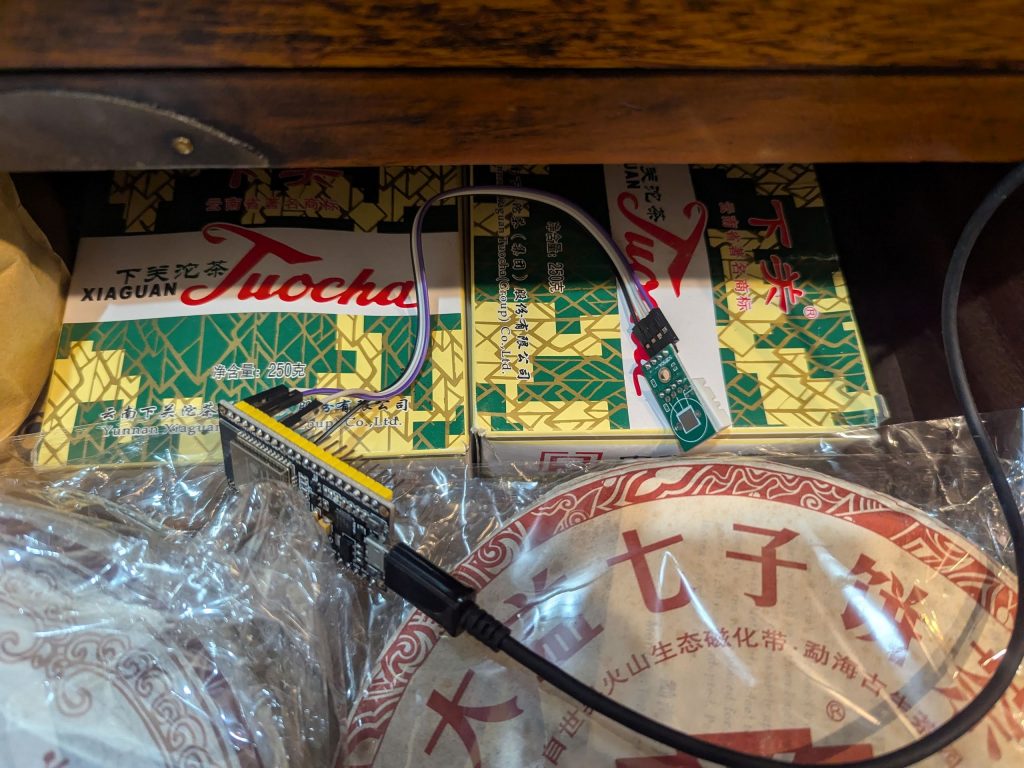
    I’m using a ESP32 board (NodeMCU 38 pinout) and a SHTC3 humidity and temperature sensor.  Way way better.

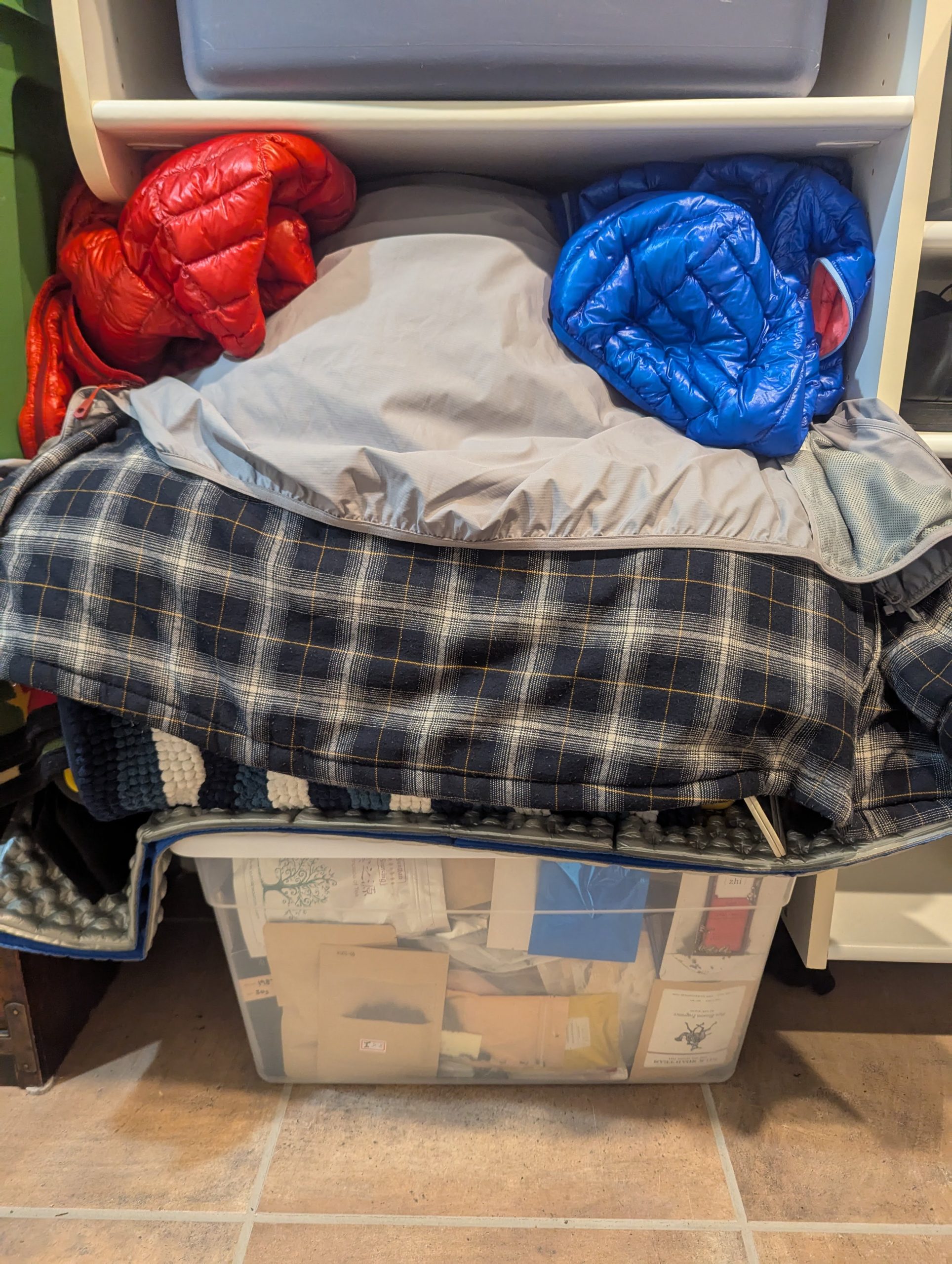
    Wrap it up in blankets (insulation):

    ESPHome Code

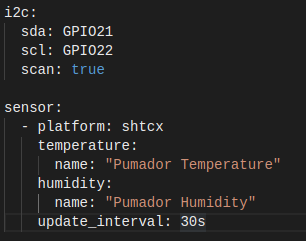
    Here is the added logic beyond a standard ESPHome template for an ESP32 device, in case you want to build your own:

    • i2c:
      • sda: GPIO21
      • scl: GPIO22
      • scan: true
    • sensor:
      • – platform: shtcx
      • temperature:
        • name: “Pumidor Temperature”
      • humidity:
        • name: “Pumidor Humidity”
      • update_interval: 30s

    While it does require a wired power source (I mean I could run this off a portable battery but w/e), this device is way way way more accurate.

    I also moved my pumidor into the room adjacent to our furnace to reduce the burden on the heating pad and save a bit of money.  The concern in this room is the ambient humidity is extremely low, but so far so good!

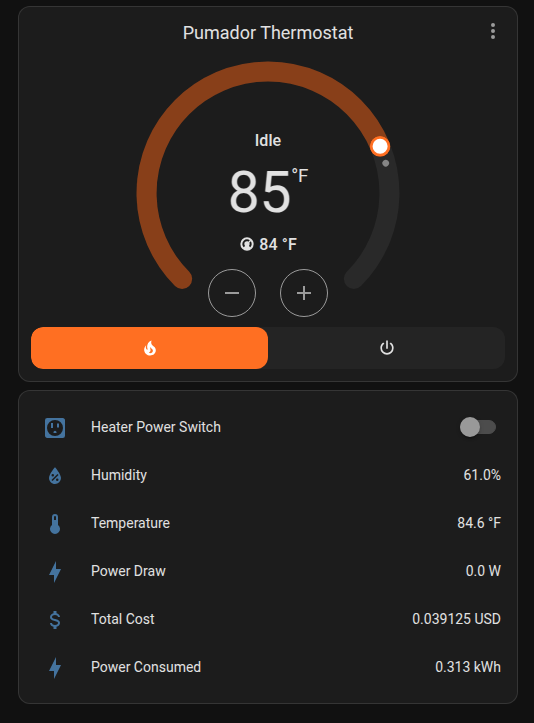
    Here’s how it looks inside my HomeAssistant UI:

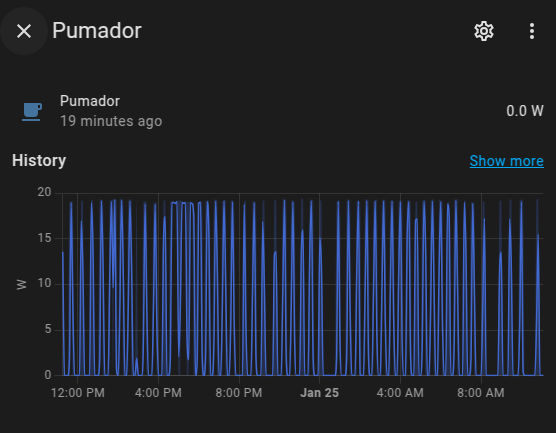
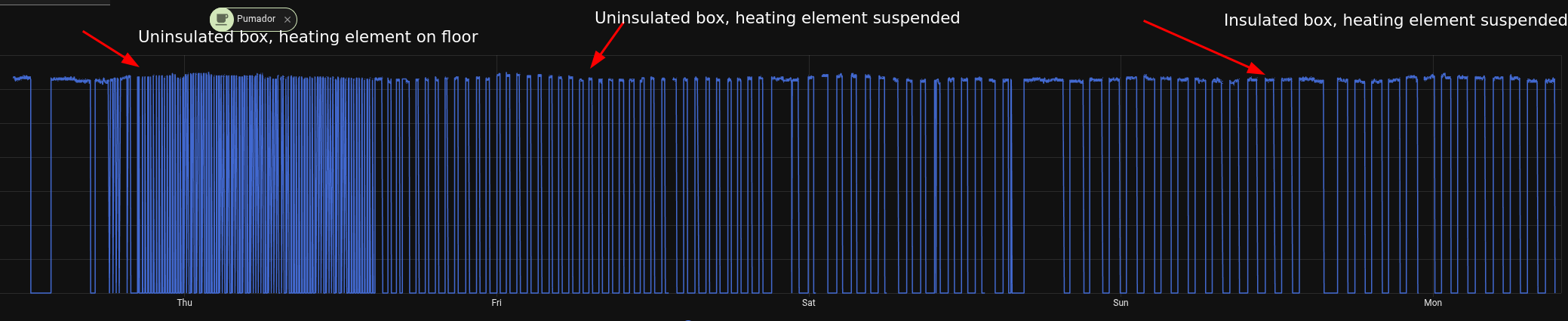
    Wattage reading, effectively its power cycle visualized:

    Generating Data

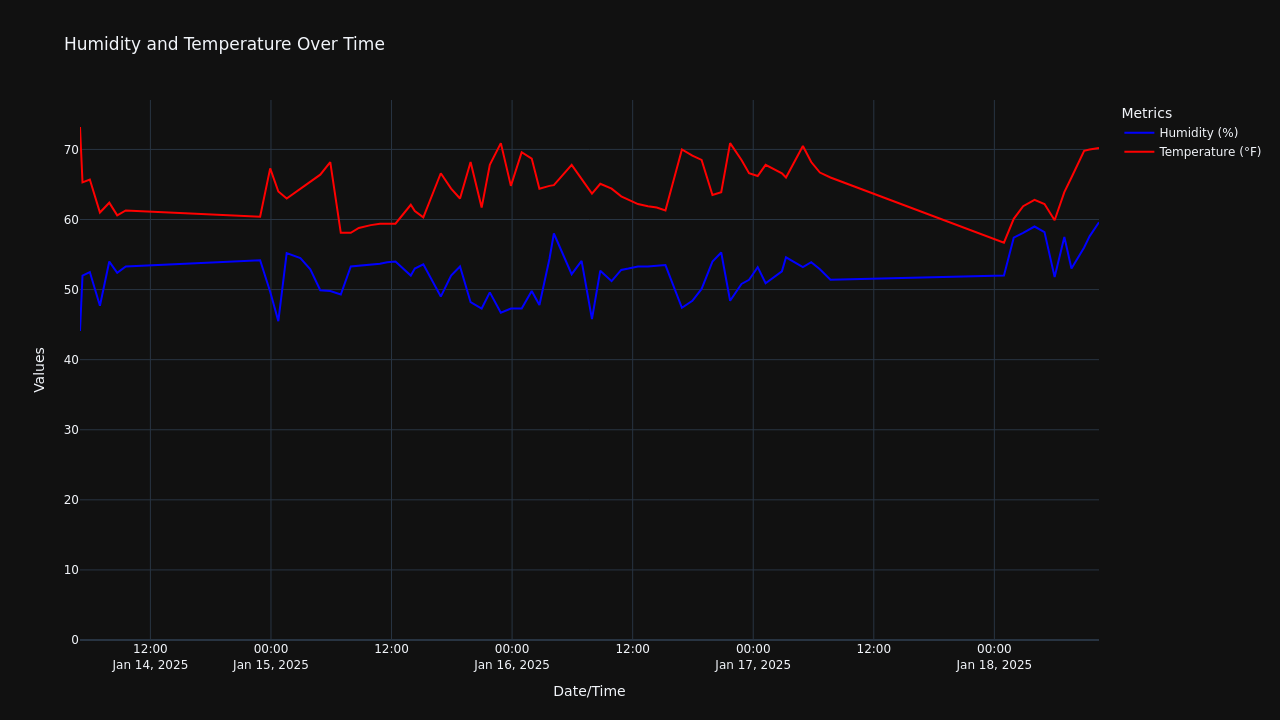
    Humidity and temperature updates every hour directly from my pumedor to the interactive graph below.
    Full Screen Interactive Graph Link: https://teadb.org/humidity_temperature_graph.html

    Publish It Online

    Naturally I had to figure out a way to get it online.  I’m using HomeAssistant’s API, pulling data to a spreadsheet file via an hourly cron job, which I then run some simple python on to generate the above graph.  My script also takes a screenshot and updates the featured image of this blog post hourly.

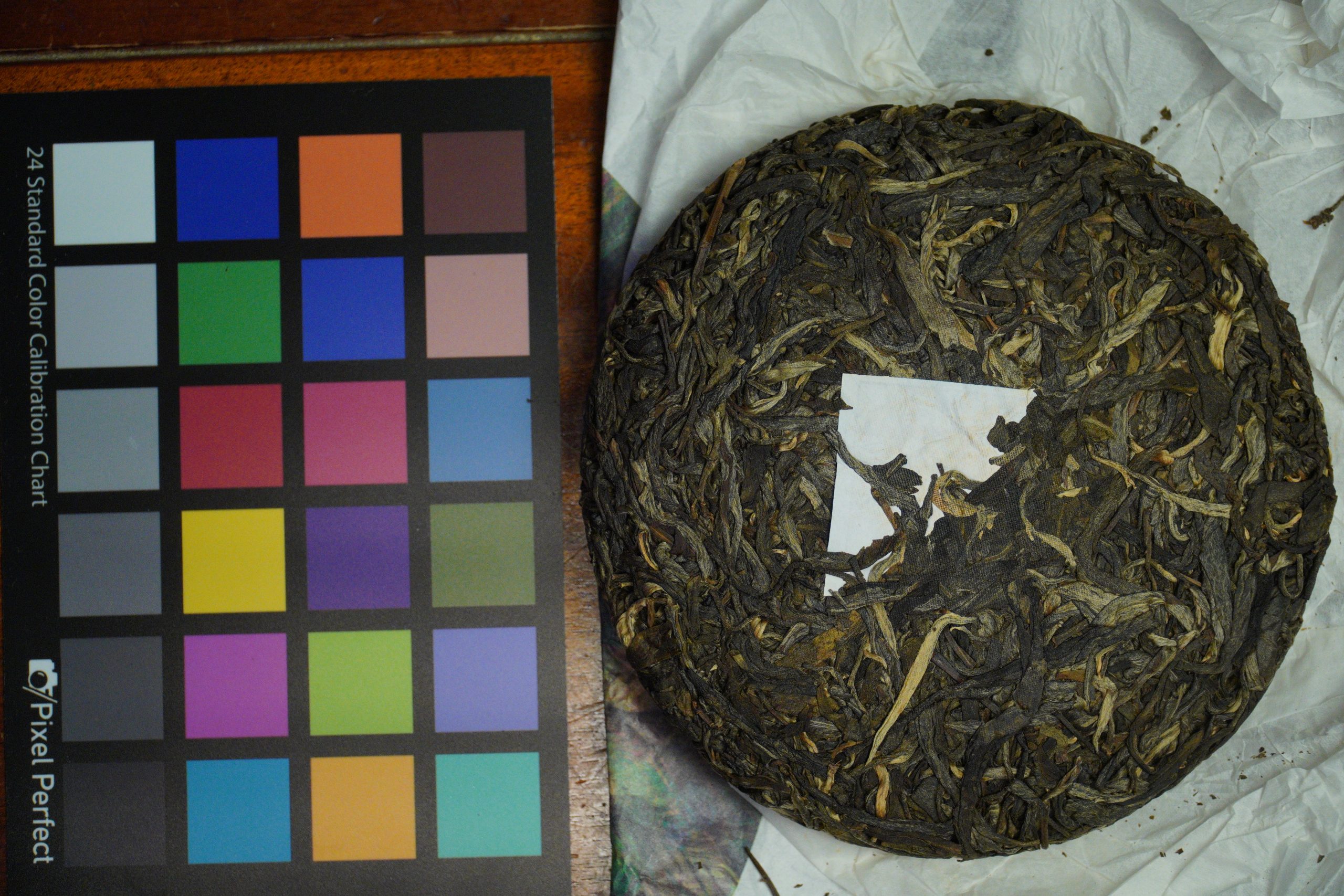
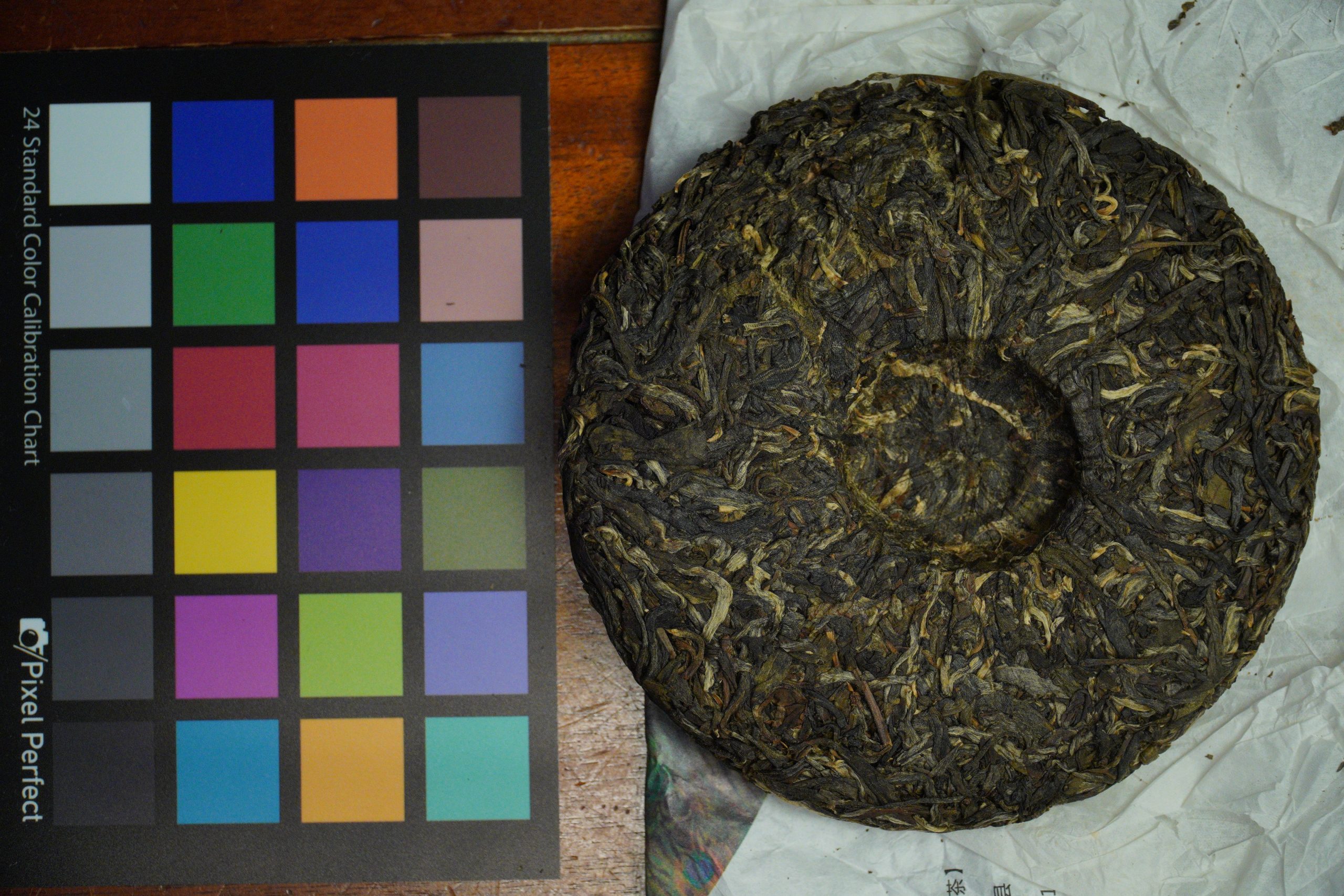
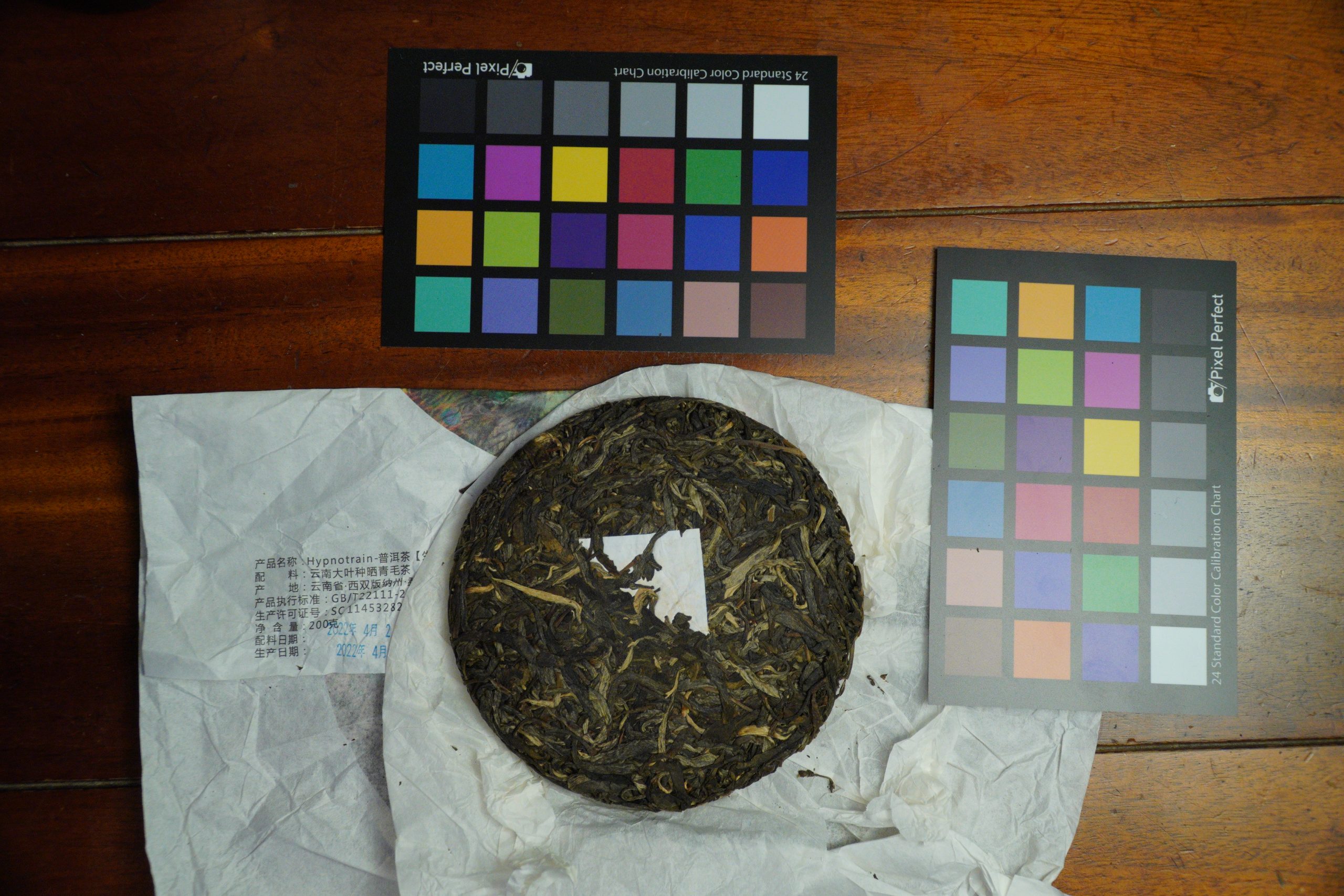
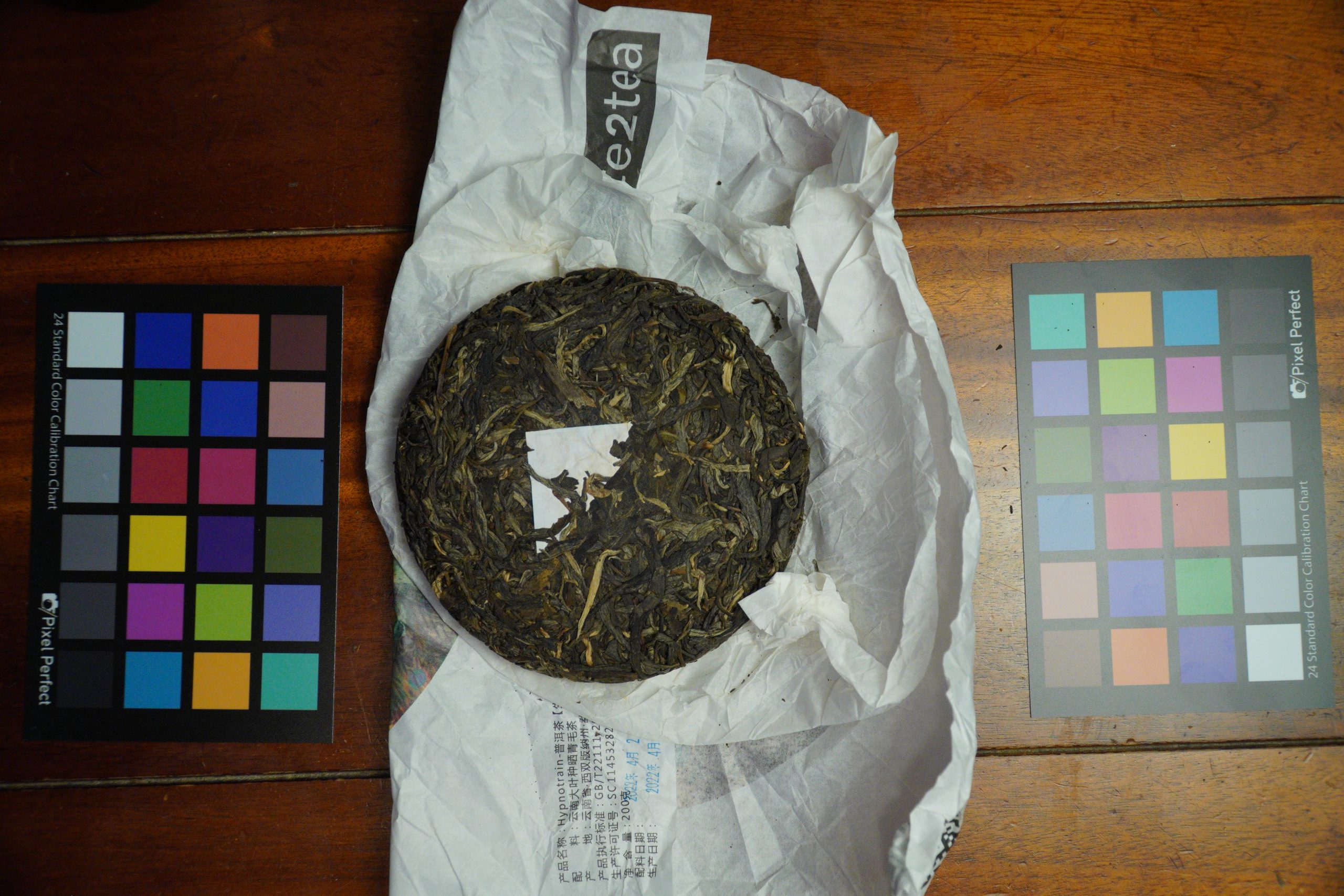
    Taking Photos: Color Accuracy Over Time

    Turns out, to do this right is hard.

    My 80/20 TLDR:

    • Taking photos at night
    • Same lighting setup
    • Take a lot of photos
    • Color match photos across time

    Materials & Tools

    • RawTherapee
    • Color Correction Card

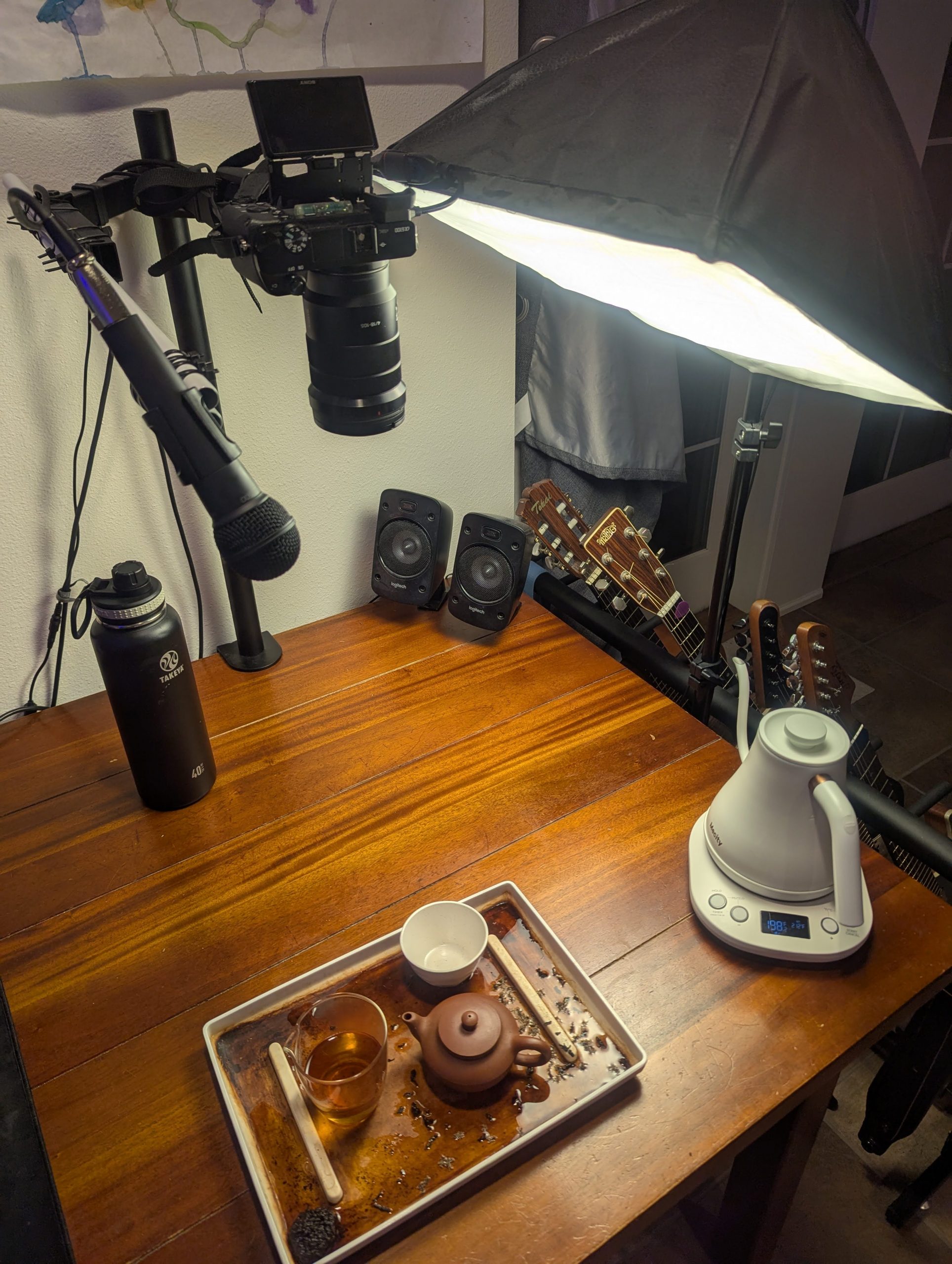
    Lighting Setup

    White2Tea Hypnotrain

    TeaDB Episode #520: https://www.youtube.com/watch?v=HBFJ9Hy2Nho

    URL: https://white2tea.com/products/2022-hypnotrain

    Photos taken on 1/28/25:

    VERSION 3 + MORE

    (Update May 4 2025)

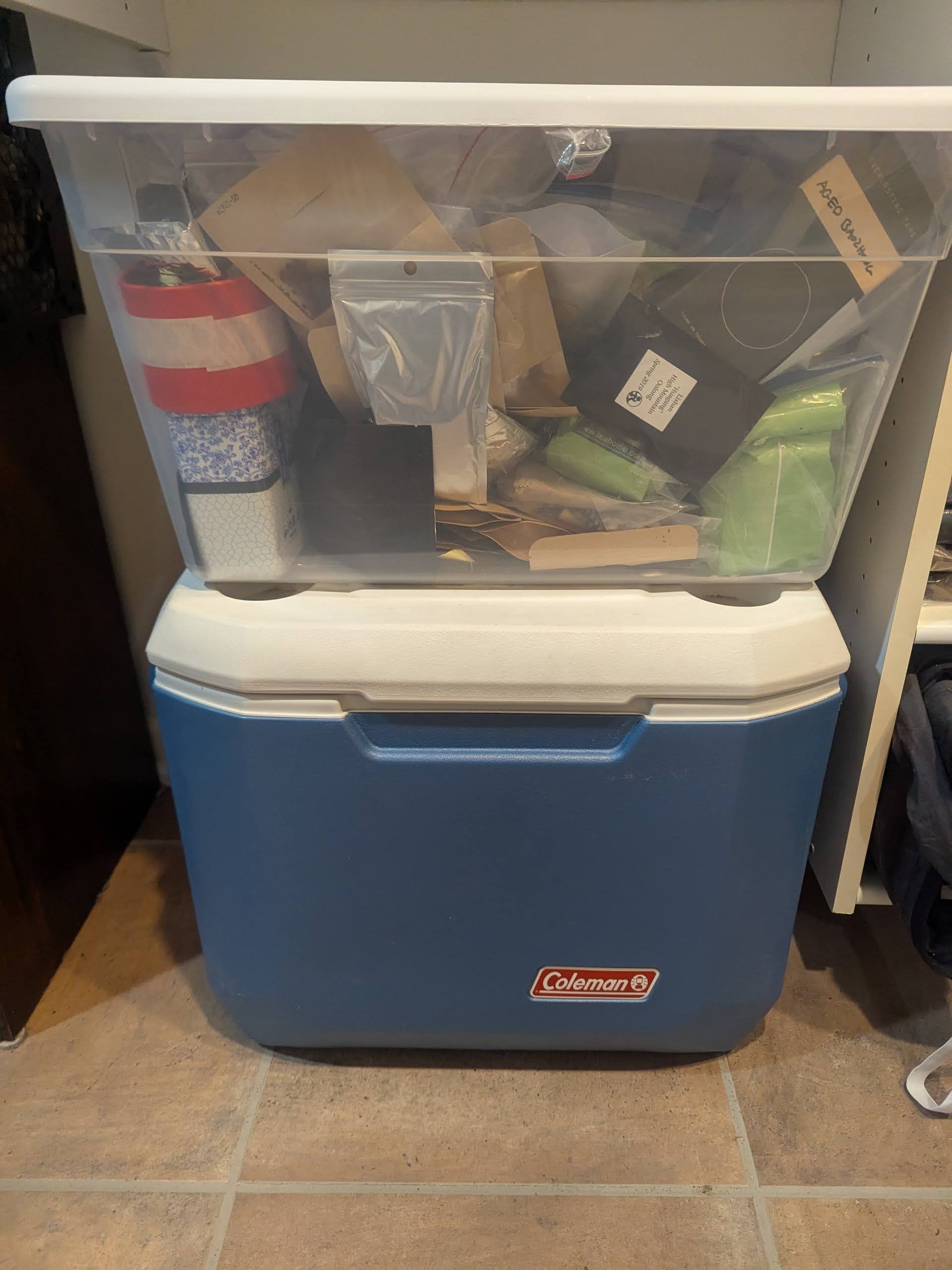
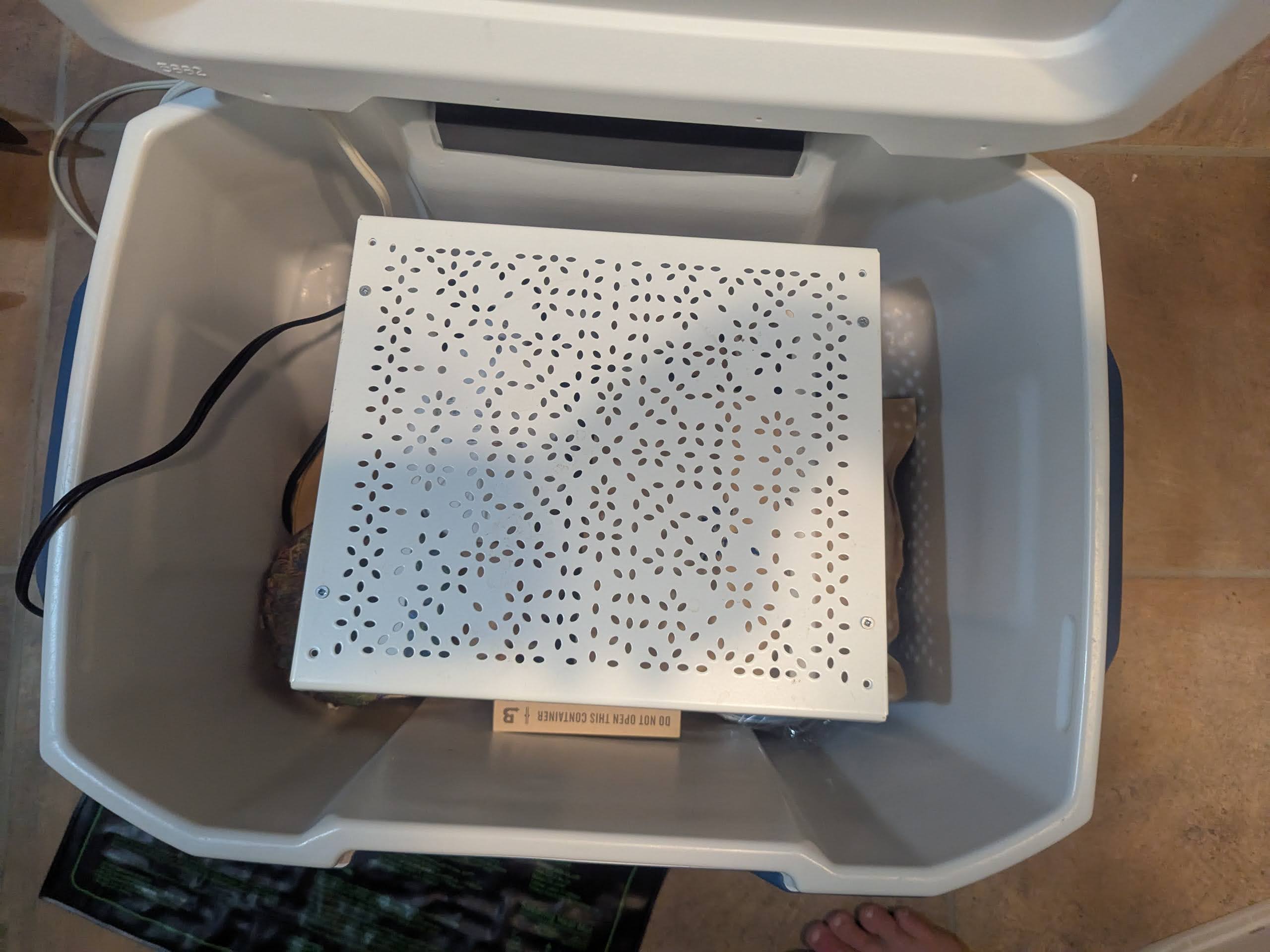
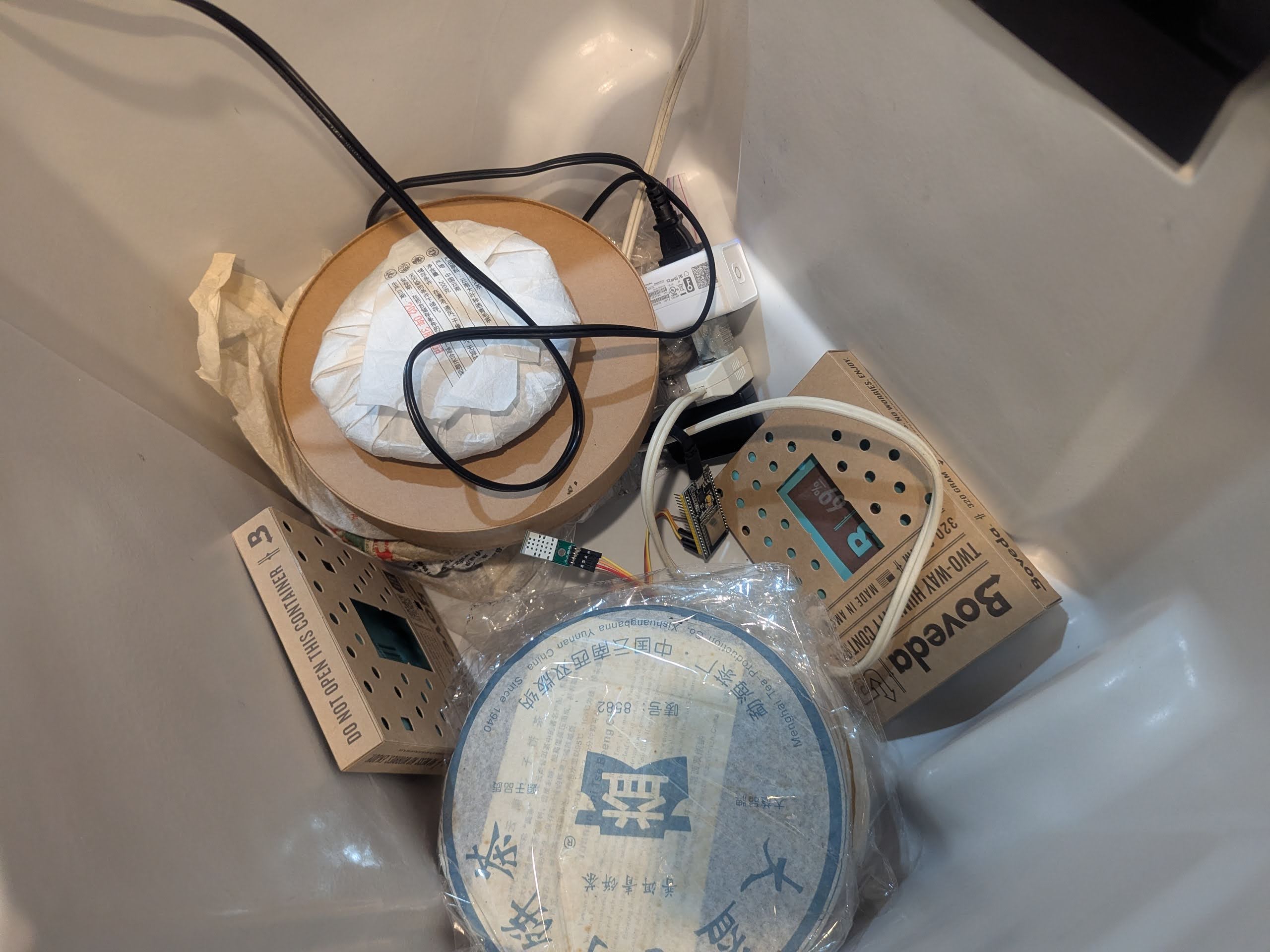
    IDK why I didn’t start with this cooler:


    Full Screen Interactive Graph Link: https://teadb.org/humidity_temperature_graph.html

    Dry Storage

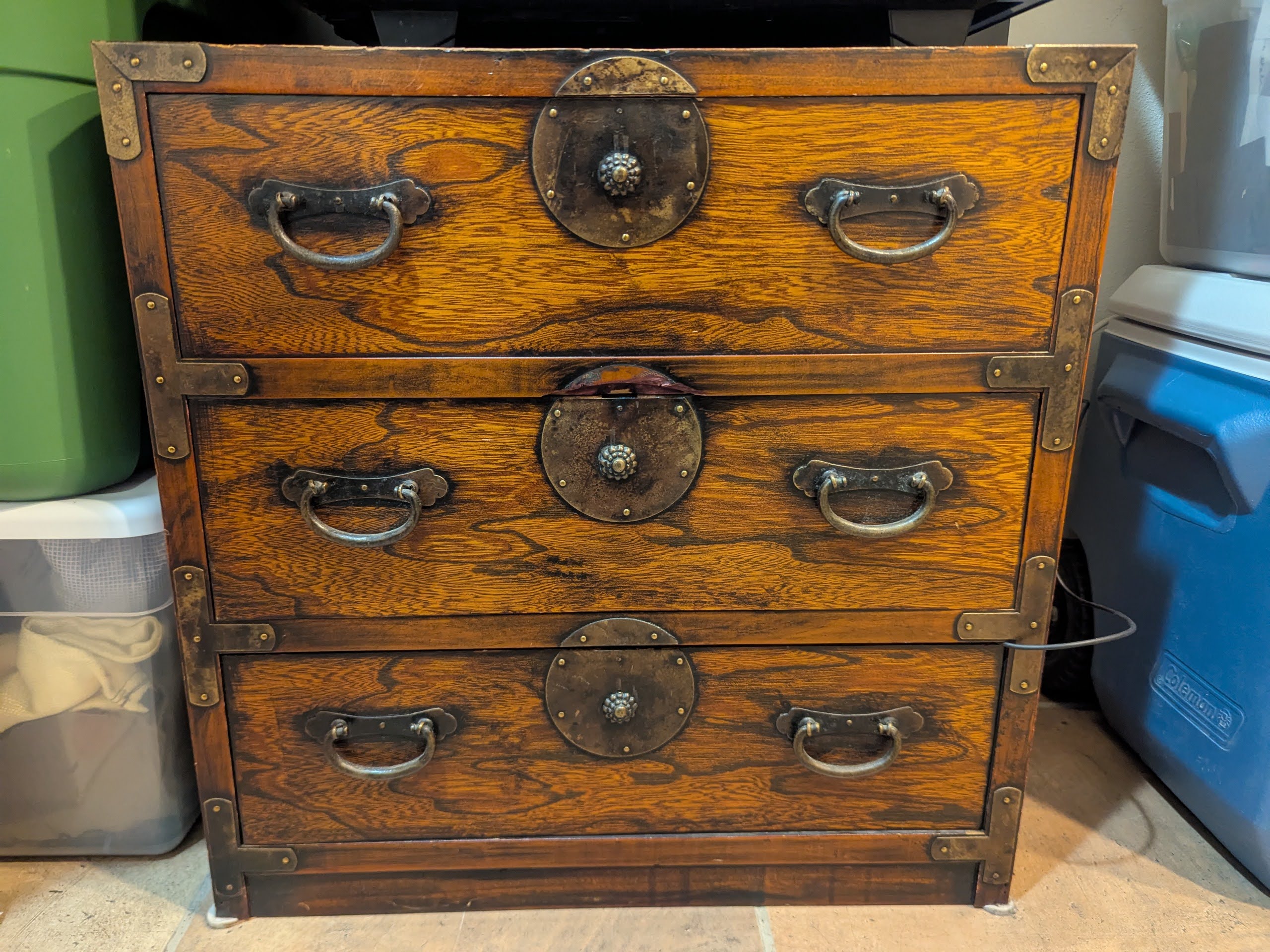
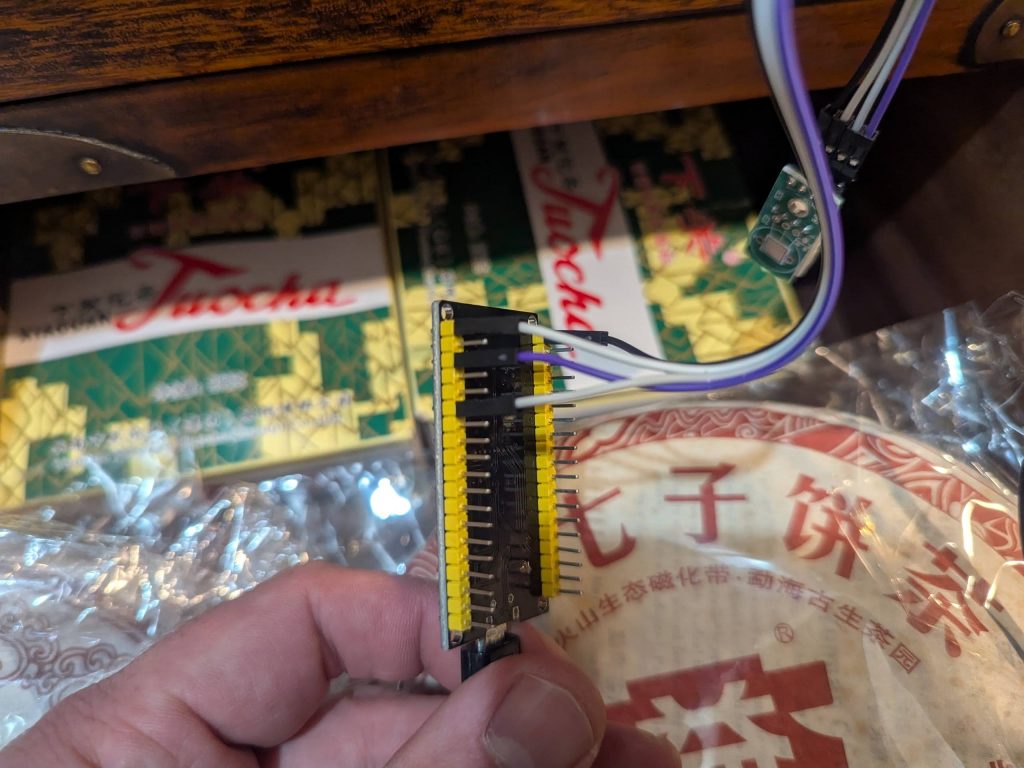
    Added another temp sensor to the dry, unheated storage; here’s the setup:

    This drawer is enclosed completely, including from the bottom.


    Full Screen Interactive Graph Link: https://teadb.org/humidity_temperature_graph2.html

    Graphing Both Sensors

    Full Screen Interactive Graph Link: https://teadb.org/humidity_temperature_graph3.html

    Power Data

    This data visualizes how frequently the heating element turns on and off, and for how long it’s on and off.

    The change of a suspended heating element makes a big difference overall.

    New Home Assistant Dash


  • Hobby Crossover in Western Tea Culture

    On instagram a few years ago, I was looking at a tea profile and immediately felt a sense of familiarity that dated back. After massaging my brain, I realized I knew them as an online personality from Blizzard RTS gaming that I used to play… An extraordinary random and tangential connection to something that really has nothing to do with tea. However, how coincidental is it actually?? If you’ve been around the western tea scene enough to learn about some of the participants, you’ll know it’s an eclectic group. Over the course of my tea journey I’ve been fascinated and occasionally befuddled at the other interests from the serial hobbyists. (more…)

  • Storage is Wicked. Long & Short Feedback Loops. Innovation in Pu’erh Storage

    David Epstein’s book Range makes the case for generalization in a world that has become increasingly specialized. One of the ways the book categorizes areas of interest are as wicked and kind environments. Kind environments are where information and feedback is very available, patterns repeat, and situations are more constrained. Examples of mostly kind learning environments are golf or classical music. Wicked environments are inherently trickier, noisier and typically involve situations where not all information is available. Conditions are dynamic and involve other people and judgement where feedback is not automatic. And when feedback is given it may be partial or inaccurate.

    (more…)
  • Aging White Teas & Aged Whites w/Char (Oolong Owl) [Inbetweenisode 211]

    In this episode, I have a conversation with Char, best known for her popular blog Oolong Owl. This is a longer video and we cover quite a range of material. We begin by talking about the the different types of white tea and their aging trajectories, where the aged white tea has been aged thus far, and finishing by discussing a few of the different school of thoughts on aging white tea and how a hobbyist might decide to do it.

    http://oolongowl.com/

  • Missteps & Regrets on TeaDB

    In the five years of TeaDB, we’ve made plenty of mistakes and said countless of dumb things in our hours of airtime on TeaDB. This is a list of areas where in retrospect I feel like I would’ve done stuff differently. (more…)

  • Grams Consumed: Grams Bought. A Relatively Simple Ratio to See If You’re Buying Too Much Pu’erh

    Cakes upon cakes. Filling up fridges by the tong.. Filling up apartments by the fridge. We’ve all seen that instagram. Some may buy a pair of cakes, one for aging and one for drinking.. There’s also the stamp collector who owns 250 different cakes including the entire 2015+2016+2017 White2Tea & Crimson Lotus Tea line. The tong (+1). The two tongs (+1). For the obsessed mind, it is all too easy to buy and accumulate lots of tea. (more…)

  • The Amazing Health Benefits of Pu’erh Tea [Episode 256]

    In the most anticipated TeaDB episode of all-time, James & Denny discuss The Amazing Health Benefits of Pu’erh Tea. The three health benefits are: (1) Aids digestion, (2) Weight Loss, and (3) Improves Memory.

    Music:
    Cool Blast – Disco Ultralounge by Kevin MacLeod is licensed under a Creative Commons Attribution license (https://creativecommons.org/licenses/by/4.0/)
    Source: http://incompetech.com/music/royalty-free/index.html?isrc=USUAN1100281
    Artist: http://incompetech.com/

    Airport Lounge – Disco Ultralounge by Kevin MacLeod is licensed under a Creative Commons Attribution license (https://creativecommons.org/licenses/by/4.0/)
    Source: http://incompetech.com/music/royalty-free/index.html?isrc=USUAN1100806
    Artist: http://incompetech.com/

    Outro (White Smoke)

    Featured Tea: https://white2tea.com/product/2017-old-reliable/